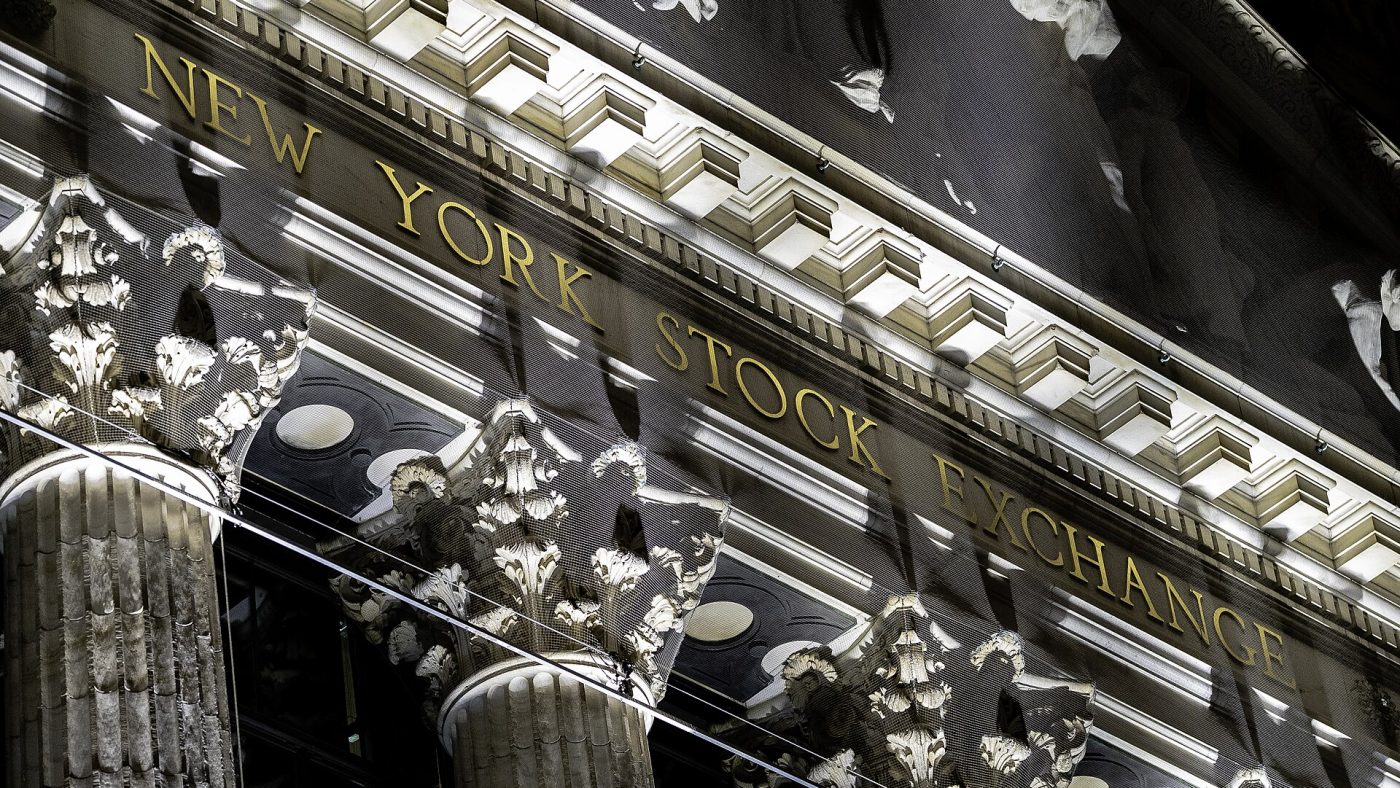
U.S. stocks suffered their sharpest single-day drop in more than a year on Thursday, Nov. 5, as investors dumped AI and chip shares on worries that the midterm election results could slow the buildout of data centers. The S&P 500 fell 4.4% to 7,353.73, its biggest one-day decline since April 2025, according to figures compiled by Regards of Wall Street. A partial rebound followed on Friday, but the Nasdaq remains in correction territory. Here is what happened, why, and what to watch this week.
What happened on Thursday
Reuters reported that stocks had jumped on Wednesday, with oil sliding, before reversing sharply the next day. Every sector of the S&P 500 ended lower, but the pain was concentrated in technology:
- The S&P 500 technology sector fell 7.3% and the Philadelphia Semiconductor index dropped more than 12%. Reuters said both were the biggest one-day declines in more than six years.
- The Nasdaq Composite closed Thursday nearly 12% below its Oct. 6 record high, past the usual 10% definition of a correction.
- The Cboe Volatility Index, Wall Street’s “fear gauge,” hit a seven-month high.
- Even after the drop, the S&P 500 was still up more than 7% for 2026, Reuters noted.
Why investors sold
According to Reuters, the trigger was concern that Democratic wins in the midterms, including control of Congress and several governors’ races in data-center-heavy states such as Texas, could slow the AI infrastructure boom that has driven much of the market’s gains. Investors have also been uneasy about how the buildout is financed. CoreWeave, a cloud company at the center of those worries, has been “pummeled in recent weeks,” Reuters wrote.
Strategists quoted by Reuters described a fragile market. Marvin Loh of State Street called it “a fragile momentum trade,” pointing to a political and regulatory overhang he expects to last until investors can gauge how large any slowdown will be. Keith Lerner, chief investment officer at Truist Advisory Services, wrote that “we are now seeing something of a buyers’ strike in tech,” after technology lagged the S&P 500 over the past month by its widest margin since May 2002.
Friday: a partial bounce
On Friday, Nov. 6, the S&P 500 rose 0.31% to 7,376.86 and the Nasdaq Composite gained 1.09% to 24,579.42. For the week, the S&P 500 still lost about 2.7%. One detail worth getting right: the “worst since April 2025” label applies to Thursday’s one-day drop, not to the whole week, as Regards of Wall Street clarified in its Nov. 9 update.
What to watch this week
- Tuesday, Nov. 10: the October Consumer Price Index at 8:30 a.m. ET. Economists expect a monthly rise near 0.2% to 0.3%, down from 0.6% in September. See our CPI preview. CoreWeave reports after the close that day.
- Wednesday, Nov. 11: Veterans Day. The stock market is open on normal hours; the bond market is closed.
- Thursday, Nov. 12: Cisco and Applied Materials report after the close, a test of whether demand for AI hardware is holding up.
The Federal Reserve is also part of the story. Futures were pricing a better-than-even chance of another rate increase in December, which makes hot inflation data more dangerous for richly valued tech stocks. We explain that in our guide to December rate-hike odds.
What it means if you invest
A one-day crash can feel alarming, but most retirement savers hold diversified funds and a long time horizon. Sharp drops in a narrow, crowded corner of the market are common after a long run-up, and they are not a reliable guide to what comes next. If you are within a few years of needing the money, check that your mix of stocks and bonds still matches your plans rather than reacting to headlines. This article is general information, not investment advice.
Sources
- Reuters via Kitco: Wall St Week Ahead, as tech swoon roils market (Nov. 6)
- Regards of Wall Street: Stock market week ahead, Nov. 9-13