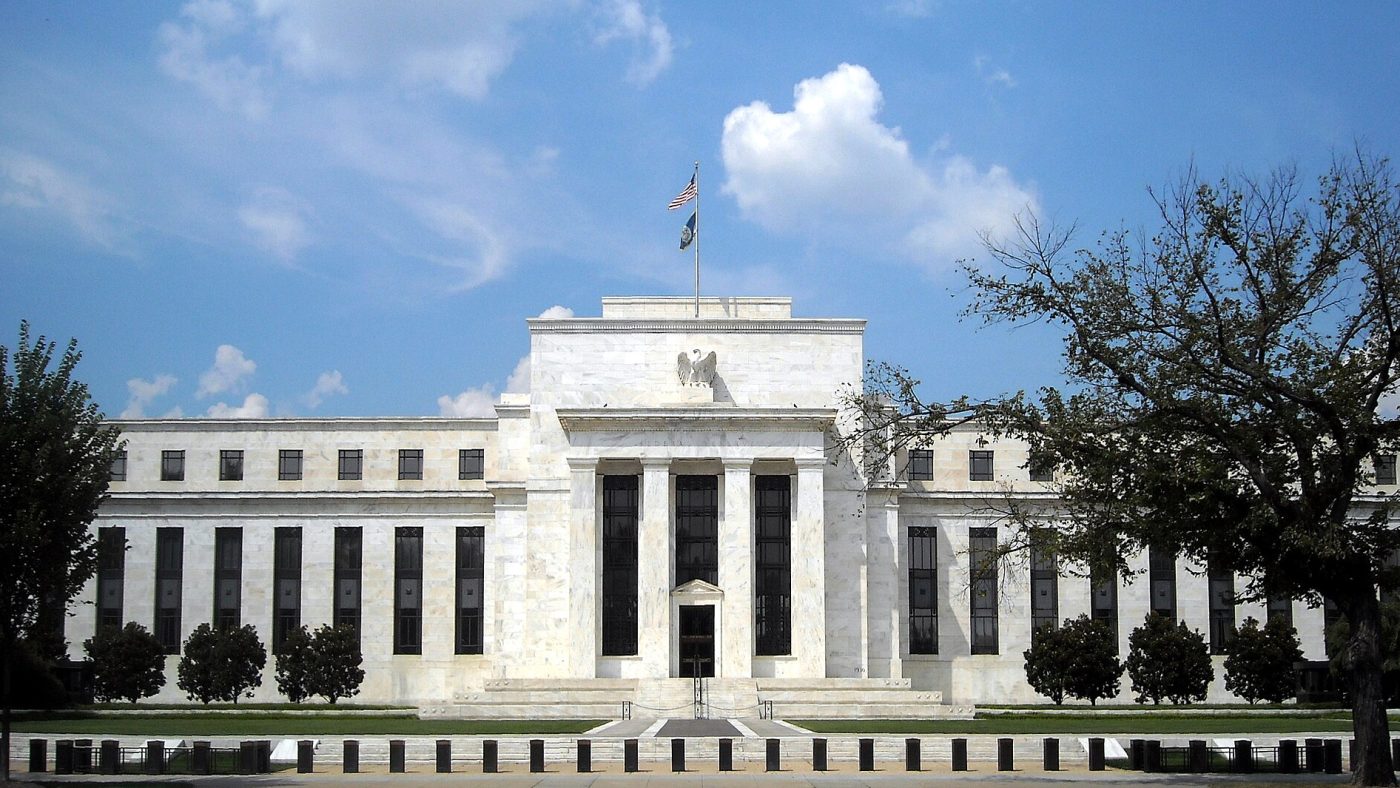
The Federal Reserve left its benchmark interest rate unchanged on Oct. 28, holding the federal funds target range at 3.75% to 4%. The decision came six weeks after the central bank raised rates for the first time in three years, and two policymakers wanted to go further. With inflation running at 3.7%, the question for borrowers and savers is whether another hike is coming in December.
What the Fed decided
According to the Fed’s official statement of Oct. 28, the Federal Open Market Committee (FOMC) voted 10 to 2 to keep the target range at 3-3/4 to 4 percent. Governors Lisa Cook and Beth Hammack dissented. Both preferred to raise the range by another quarter of a percentage point at that meeting.
How we got here
At its Sept. 16 meeting the committee voted 12 to 0 to raise the target range by 0.25 percentage points to the current 3.75% to 4%. That was the first increase in three years. Since then, the September inflation data showed consumer prices up 3.7% from a year earlier, driven by a sharp jump in gasoline; our breakdown of what is inside the 3.7% inflation rate shows core inflation, which excludes food and energy, at a calmer 2.6%.
What the Fed did not say
After the October meeting, officials reiterated their commitment to containing inflation but did not give a clear signal on whether they would raise rates again in December, Bloomberg reported. One market summary said investors were pricing in one more quarter-point increase in 2026. Market pricing moves daily, so treat any single forecast as a snapshot rather than a promise.
What the federal funds rate means for you
The federal funds rate is the rate banks charge each other for overnight loans, but it influences many consumer rates:
- Credit cards and variable-rate loans: these usually follow the Fed’s moves within a billing cycle or two, so balances cost more after a hike.
- Savings accounts and CDs: yields tend to rise when the Fed raises rates, though banks pass on increases at different speeds.
- Mortgages: fixed mortgage rates track longer-term Treasury yields rather than the Fed’s rate directly. Freddie Mac’s most recent survey is in our mortgage rates article.
- Car loans and home equity lines: these also tend to move with short-term rates.
The calendar ahead
| Date | Event |
|---|---|
| Nov. 10 | October CPI released by the BLS, 8:30 a.m. ET |
| Early December | November jobs report from the BLS |
| Dec. 8-9 | Next FOMC meeting; new dot plot of rate projections due |
The dot plot, a chart of each policymaker’s expected path for rates, will be released at the December meeting. It will show how many officials expect further increases in 2027.
Why the data between now and December matters
Officials have said the data will guide their next decision. The two most important inputs are inflation and the labor market. Our October CPI report due Nov. 10 guide explains what to look for in the inflation report. The labor market already showed signs of slowing: the economy added 165,000 jobs in October with unemployment at 4.1%, as covered in our October jobs report report. If inflation cools while hiring softens, the case for another hike weakens. If gasoline-driven price gains spill into everyday goods and services, the two dissenters may find more support.
Bottom line
The Fed is on hold for now at 3.75% to 4%, but it has shown it is willing to raise rates when inflation runs hot. Borrowers with variable-rate debt should not assume rates have peaked, and savers can expect competitive yields for now. The next real signals arrive on Nov. 10 and Dec. 8 to 9.
Sources: Federal Reserve Board press release of Oct. 28, 2026; Bloomberg; U.S. Bureau of Labor Statistics.