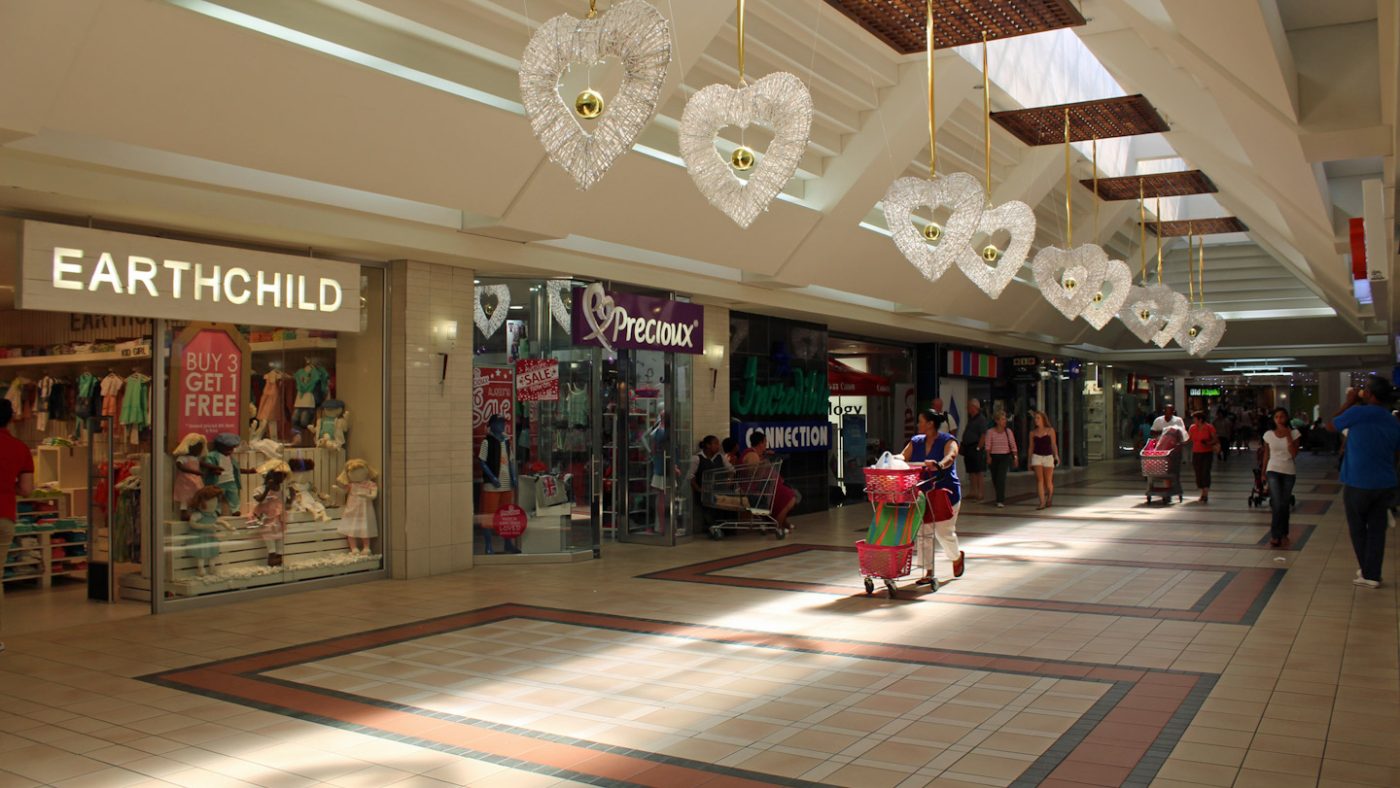
America’s largest retail trade group expects shoppers to spend more than $1 trillion this holiday season for the first time. The National Retail Federation (NRF) forecast on Oct. 15 that holiday sales will grow 4.2% to $1.013 trillion, a faster pace than last year, even as inflation squeezes household budgets.
The forecast in numbers
- $1.013 trillion: projected U.S. holiday sales, covering Nov. 1 through Dec. 31.
- +4.2%: expected growth versus 2025. Last year, holiday sales grew 3.1% to $972 billion, per the NRF press release.
- 325,000 to 375,000: seasonal workers retailers are expected to hire, compared with an estimated 356,000 last year.
NRF’s count excludes auto dealers, gas stations and restaurants, so it measures what people spend on gifts, decorations, food for the home and other retail goods. It is also separate from NRF’s full-year 2026 forecast, which projects retail sales growth of 4.4% to $5.6 trillion.
Inflation is part of the story
A 4.2% increase in dollars does not mean 4.2% more stuff. With consumer prices up 3.7% over the past year (see our explainer on what is inside the inflation rate), part of the gain simply reflects higher prices. NRF’s chief economist said nearly half of the growth comes from real spending rather than price increases, a sign that consumers are still buying.
What is driving spending
NRF points to five factors: inflation, income, the labor market, household wealth and consumer confidence. The job market remains positive, with 165,000 jobs added in October as we reported in our October jobs report coverage, and unemployment at 4.1%.
There is a caveat. According to analysis from Retail TouchPoints, spending is concentrated among higher-income households: in some categories the top 10% of spenders account for as much as 70% of sales. Reaching the high end of NRF’s forecast depends on that group continuing to spend.
Why the $1 trillion mark matters
Crossing $1 trillion is a symbolic milestone, but the underlying message is steadier: consumers are still spending despite higher prices and higher borrowing costs. That resilience is also what keeps the Federal Reserve cautious about easing, as we explain in our look at the Fed rate decision. Retailers, for their part, are preparing for strong demand but are likely to stay cautious on inventory, since a wave of unsold goods would force deeper discounts in January.
Seasonal hiring
Retailers are planning to add between 325,000 and 375,000 temporary workers, a range that brackets last year’s estimated 356,000. If you are looking for seasonal work, major chains and delivery companies typically post openings in October and November, and many convert some temporary roles into permanent jobs.
What it means for shoppers
- Expect early deals. Retailers compete hard for a limited number of shoppers who are watching prices. Our roundup of Black Friday early deals from Target and Best Buy is a good starting point.
- Budget around prices, not just totals. If you spent $500 on gifts last year, the same list may cost about 3% to 4% more.
- Stretch your food budget. See our guide to Thanksgiving meal deals at Walmart and Target for lower-cost options.
- Watch shipping dates. Delivery cutoffs matter more than discounts in the final week before Christmas.
The online side
NRF’s number includes both stores and online shopping. Adobe separately forecasts record online sales this season; we break that down in our guide to the Adobe holiday forecast.
Bottom line
NRF expects a healthy holiday season: faster growth than last year, more than $1 trillion in sales and hundreds of thousands of seasonal jobs. The main risks are inflation eating into real purchasing power and a spending boom that depends heavily on higher-income households. Actual results will come in NRF’s early-January report.
Sources: National Retail Federation press release (Oct. 15, 2026); Retail TouchPoints; Retail Dive; AP.