Spain is in mourning after a deadly rail disaster. A high-speed train slammed into a stopped train, killing at least 68 people and injuring dozens more, according to the October 29 headlines from Democracy Now. Prime Minister Pedro Sánchez declared three days of national mourning. This report summarizes what is known so far, and the details may change as the investigation continues.
What we know
Democracy Now reported that the Spain train collision involved a high-speed train hitting a train that was stopped. At least 68 people were killed, and dozens were injured. Other news summaries from the same day said families are seeking information about their loved ones.
The reports reviewed for this article did not give a confirmed cause, and investigations into rail accidents usually take time. It is important not to rely on early speculation, because first reports are often incomplete or later corrected.
A second major accident this year
Democracy Now described the crash as Spain’s second deadly rail disaster this year. That makes it a particularly painful moment for a country that has invested heavily in high-speed rail and often promotes its network as one of the most extensive in Europe.
Three days of national mourning is a formal step that usually includes flags at half-staff and official ceremonies. It reflects the scale of the loss and the public shock felt across the country.
What investigators typically do
After a collision of this kind, specialist investigators normally secure the site, recover data recorders from the trains, interview staff and survivors, and examine the track, signaling and maintenance records. Their goal is to establish exactly what happened and recommend changes to prevent a repeat.
Final conclusions can take months. In the meantime, authorities usually focus on helping victims and their families, identifying those who died and restoring safe operation on the line.
Disasters like this also prompt public debate about rail safety, staffing and investment. Officials, unions and passenger groups often call for reviews of procedures and technology after serious accidents. Whether that happens here will depend on what the investigation finds, so it is too early to say which changes, if any, will follow.
For travelers and families
- Check official sources, including the national rail operator and Spanish government channels, for service updates before traveling.
- Families looking for information should use the official helplines announced by the authorities rather than social media rumors.
- Be cautious about unverified claims and photos, which can spread quickly after a disaster.
The bottom line
The Spain train collision is a tragedy that has touched the whole country. With at least 68 people dead and many injured, the immediate priority is care for the victims and their families. The questions about how it happened will be answered only by a full investigation, and we will know more as official findings are released.
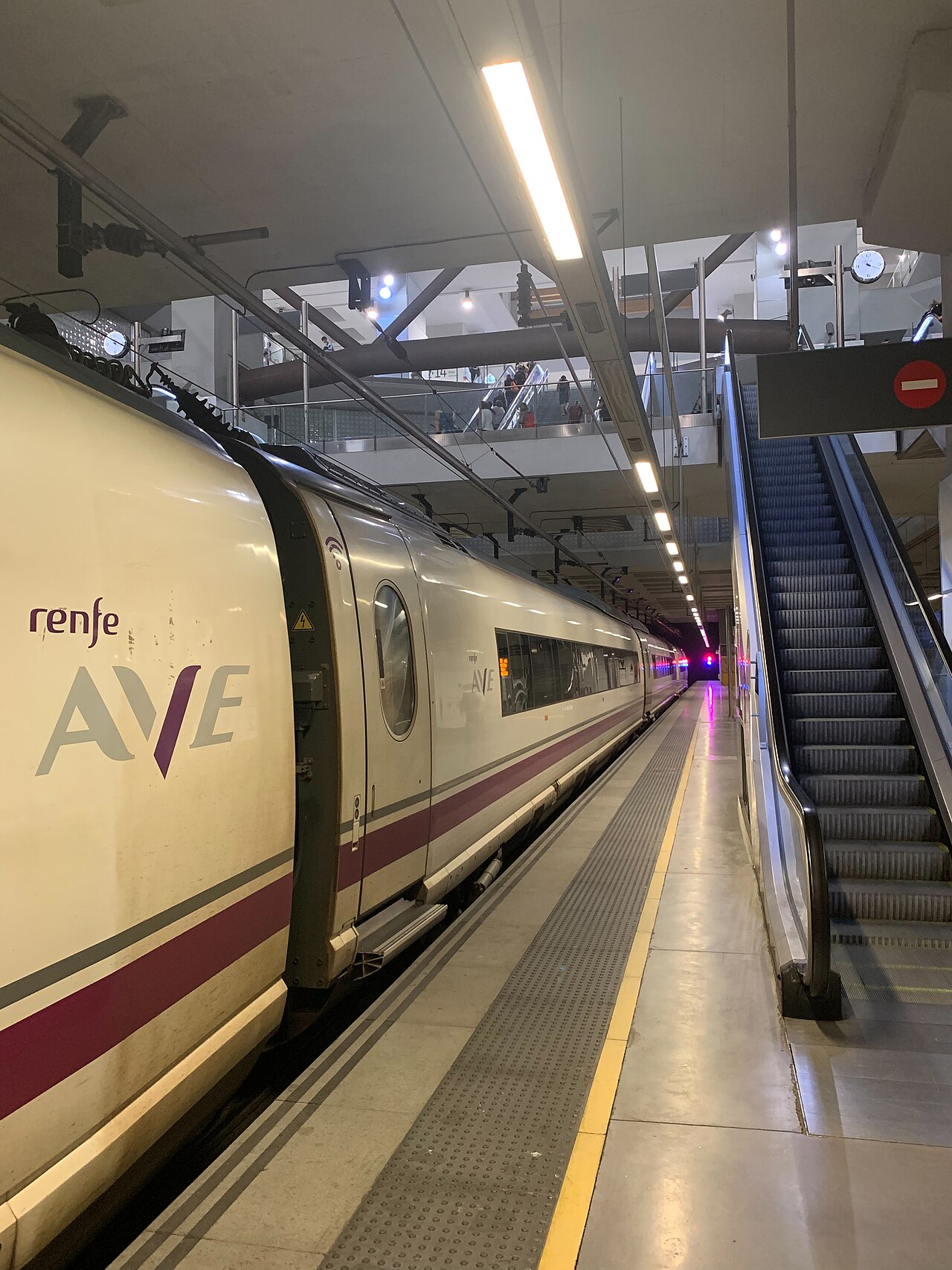
Details are based on Democracy Now’s October 29 headlines and may be updated as more information becomes available. The photo is a file image of a Spanish high-speed train and is not from the accident.